Development

From the technical requirement to a load-bearing composite component

We develop highly loaded components from continuous fiber-reinforced thermoplastics. We accompany you from material selection, component design, optimization and simulation through to a prototype or a reproducible manufacturing process.

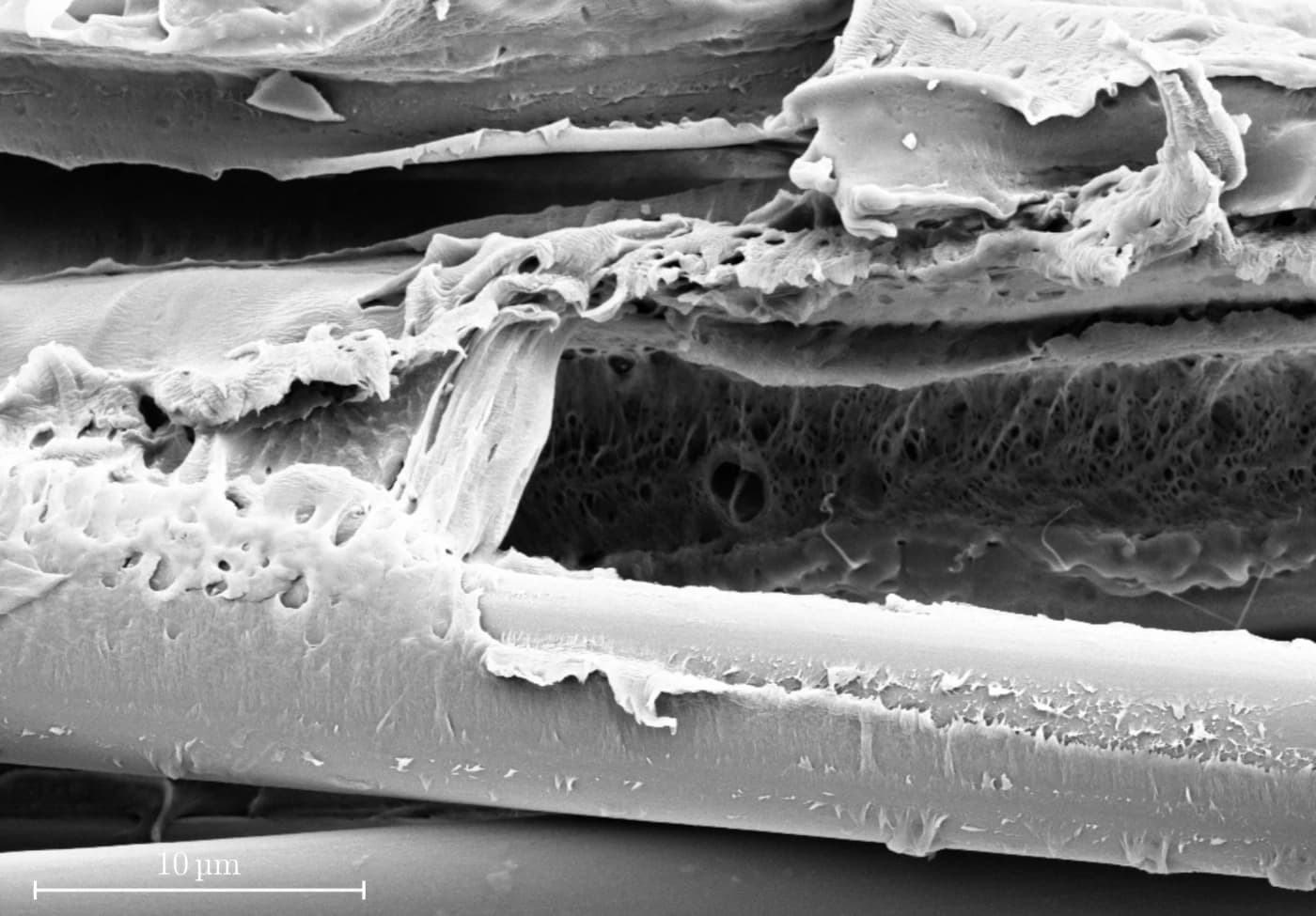
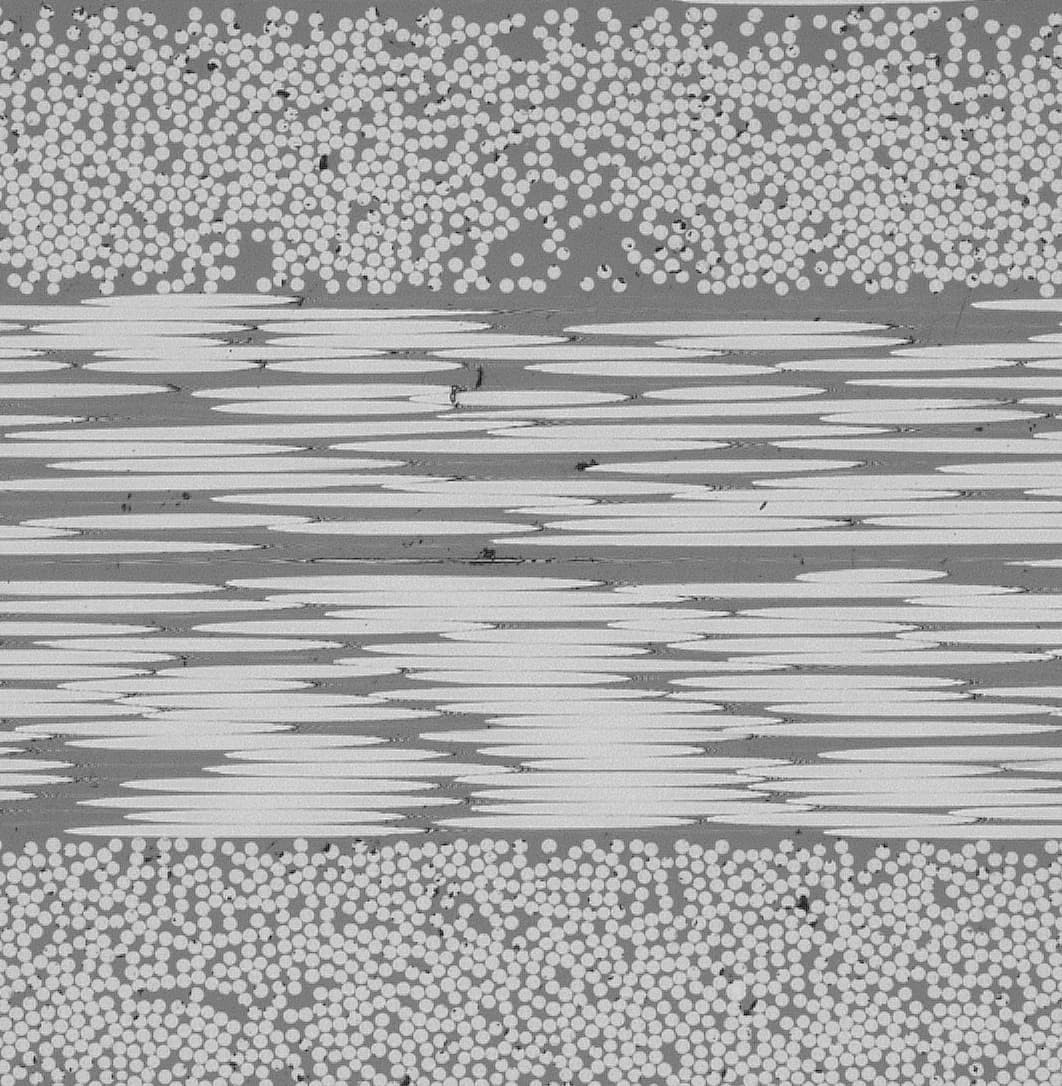
Scanning electron microscope image of a carbon fiber reinforced polyamide 6

Do you have a specific component?

We develop the matching material, component and manufacturing solution for your mechanical and economic requirements.

Discuss your project

Would you like to trial our material?

Test a custom UD tape in your application – including technical alignment and up to 10 kg of material.

View starter package

Starting point

Where does your development project begin?

An existing component is too heavy

Load-path-oriented redesign with targeted fiber reinforcement

A plastic component fails locally

Reinforcement of highly loaded areas with continuous fibers

Standard materials do not meet the requirements

Adjustment of fiber, matrix, tape geometry and fiber content

Technical feasibility is still unclear

Material trial or demonstrator as a fast proof of function

The prototype works, but the process is not serial-ready

Development of a defined and reproducible manufacturing sequence

Approach

How we develop your composite solution

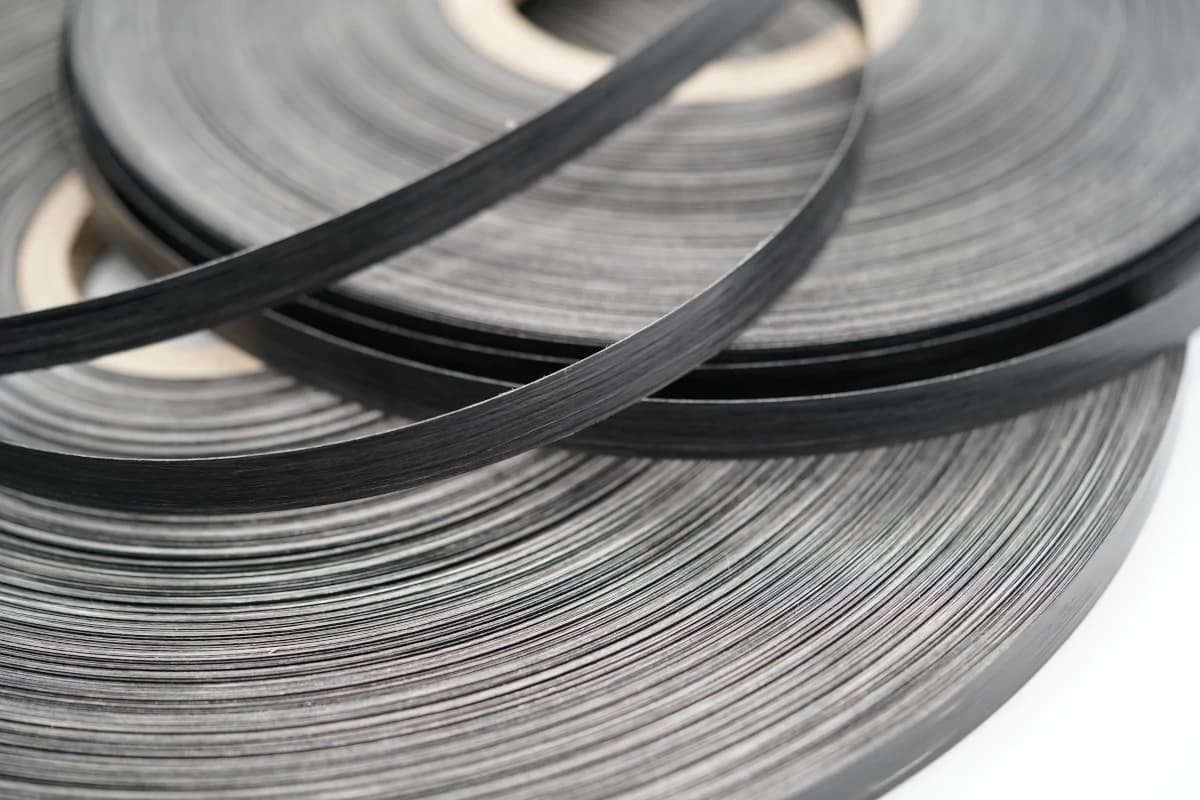
  • UD tapes made of continuous fiber-reinforced thermoplastics

    Tape production

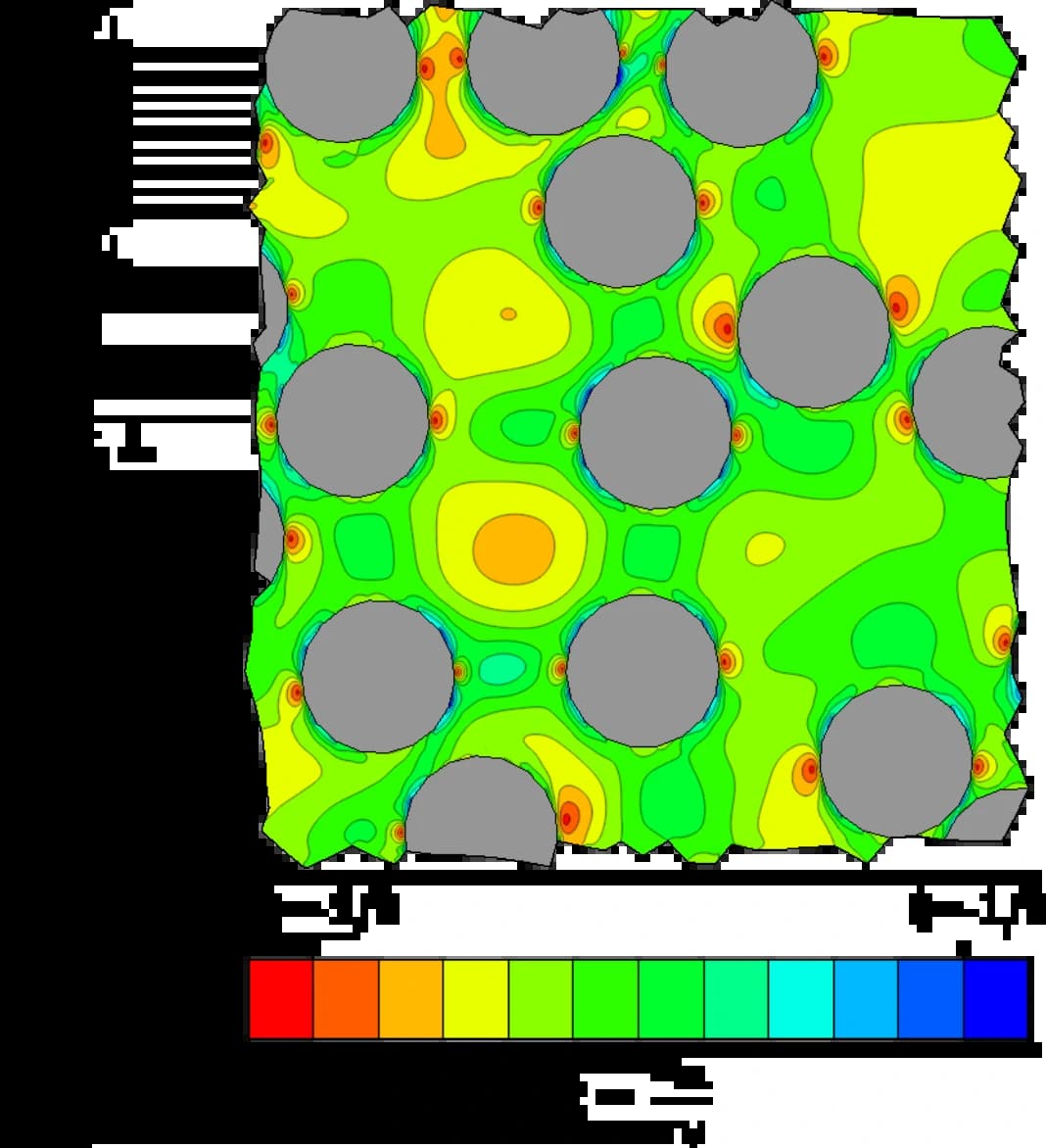
  • Triaxiality of the material stress of a fibre-reinforced composite under transverse pressure

    Simulation

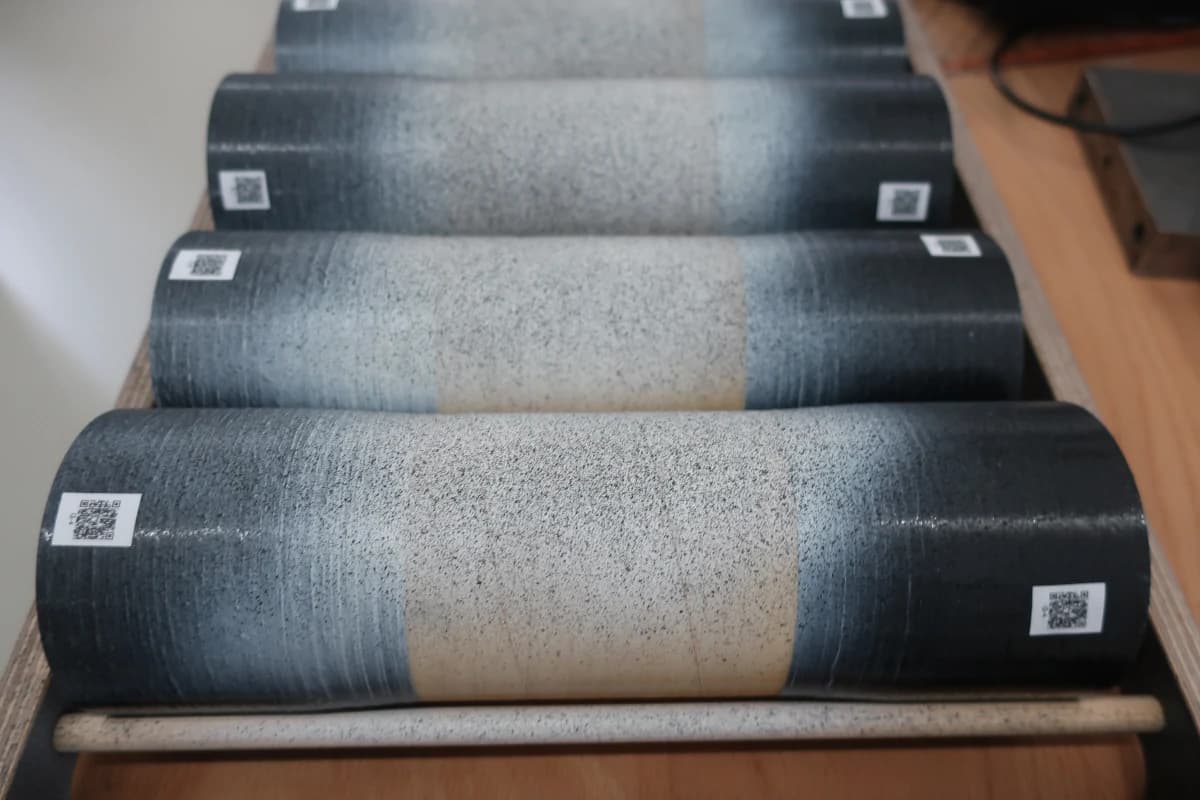
  • Manufacturing of a tension-/compression-torsion test specimen

    Prototype development

You do not need a fully defined series project yet. We start where your project currently stands – from the first material idea through to industrialization. Individual development steps can be commissioned separately or combined into an overall project.

  1. 0

    Project discussion

    In an initial conversation we review your task and assess the technical as well as economic potential. We then recommend a suitable starting point.

  2. 1

    Material and manufacturing concept

    We match material, fiber architecture and manufacturing process specifically to your application.

  3. 2

    Component design and simulation

    We develop a fiber-appropriate design and evaluate deformation, load-bearing capacity and possible failure mechanisms.

  4. 3

    Prototype and validation

    We manufacture a testable prototype, examine it under application-related conditions and optimize the solution.

  5. 4

    Process development and transfer

    We develop a reproducible manufacturing process and accompany the transition into series production.

Material data

Reliable development needs reliable measurement data

The properties of a fiber composite are not determined by fiber and matrix alone. Fiber content, fiber orientation, pores, interfaces and manufacturing conditions also influence later component behavior. Generic datasheet values are therefore often insufficient for a reliable design.

Depending on the application, we investigate among other things:

Material quality

Fiber distribution, fiber orientation, void content and impregnation

Mechanical properties

Stiffness, strength and failure under the relevant loads

Environmental influences

Behavior at temperature, humidity and media contact

Component behavior

Deformation, load-bearing capacity and failure under application-related conditions

The necessary scope of investigation is derived specifically from the project requirements. This produces reliable material data for simulation and design – and a dependable basis for prototype, process development and later series production.

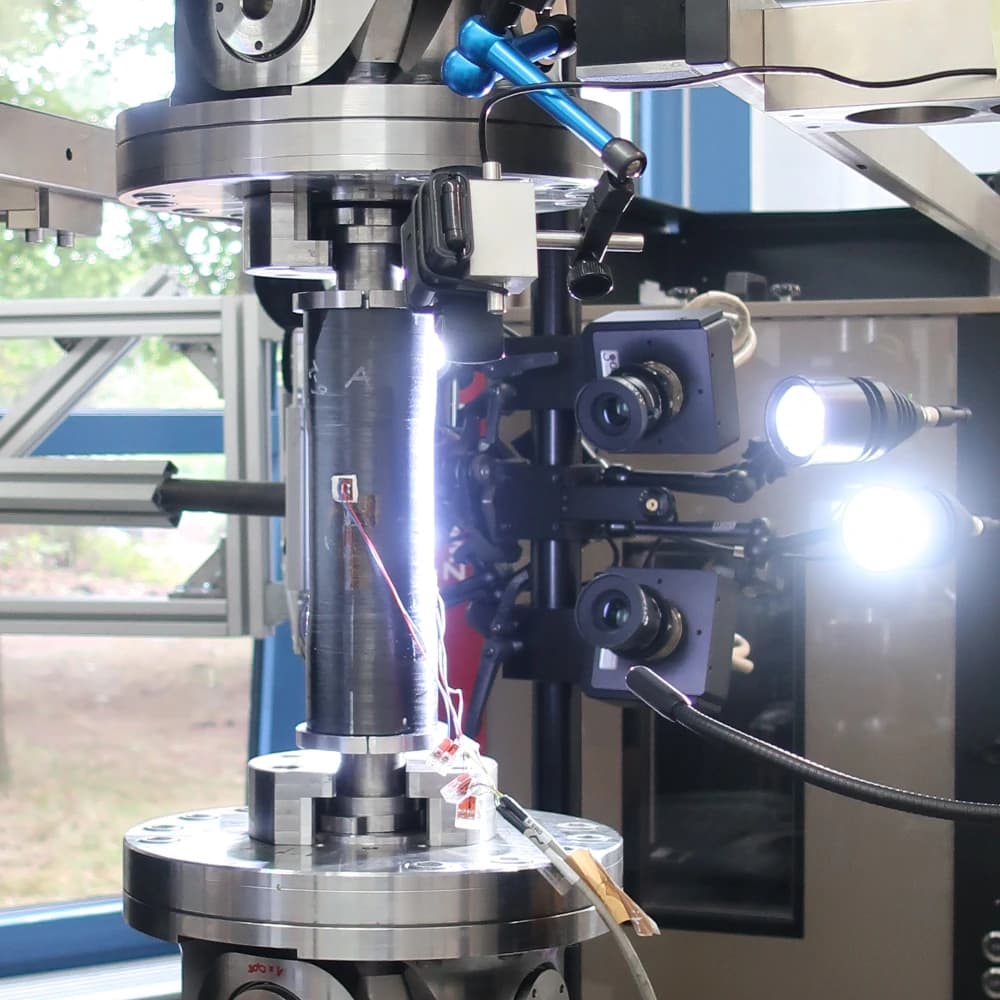
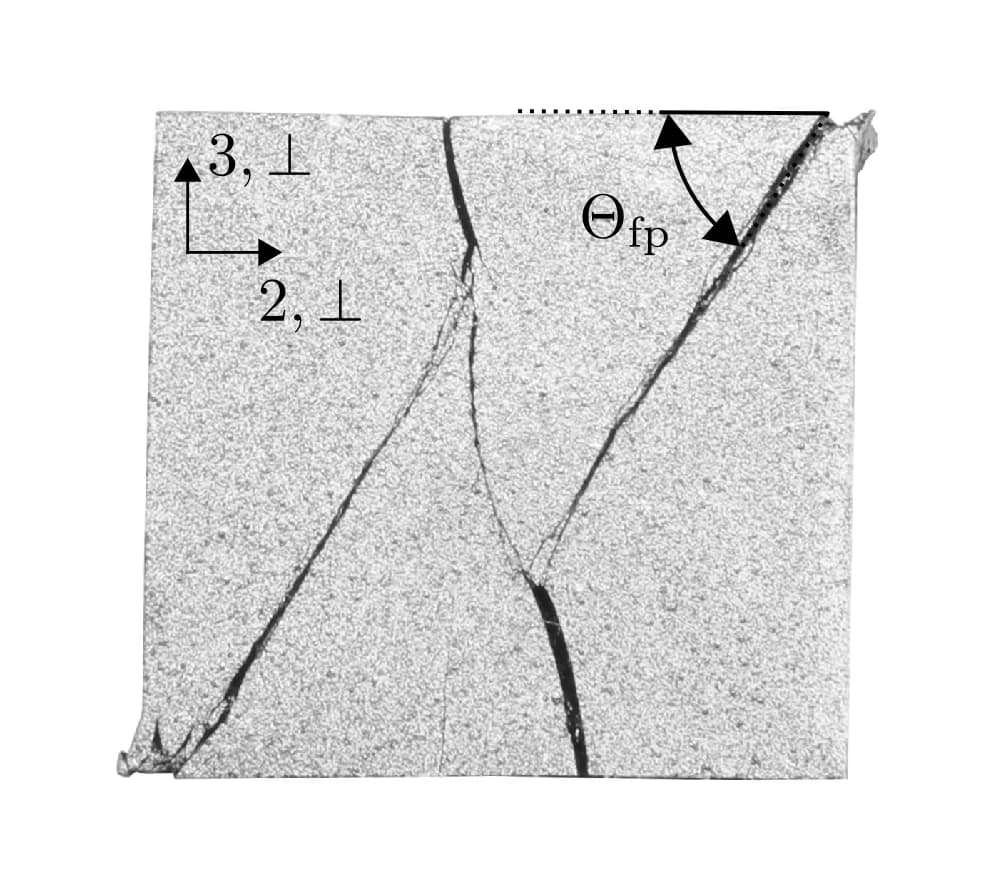
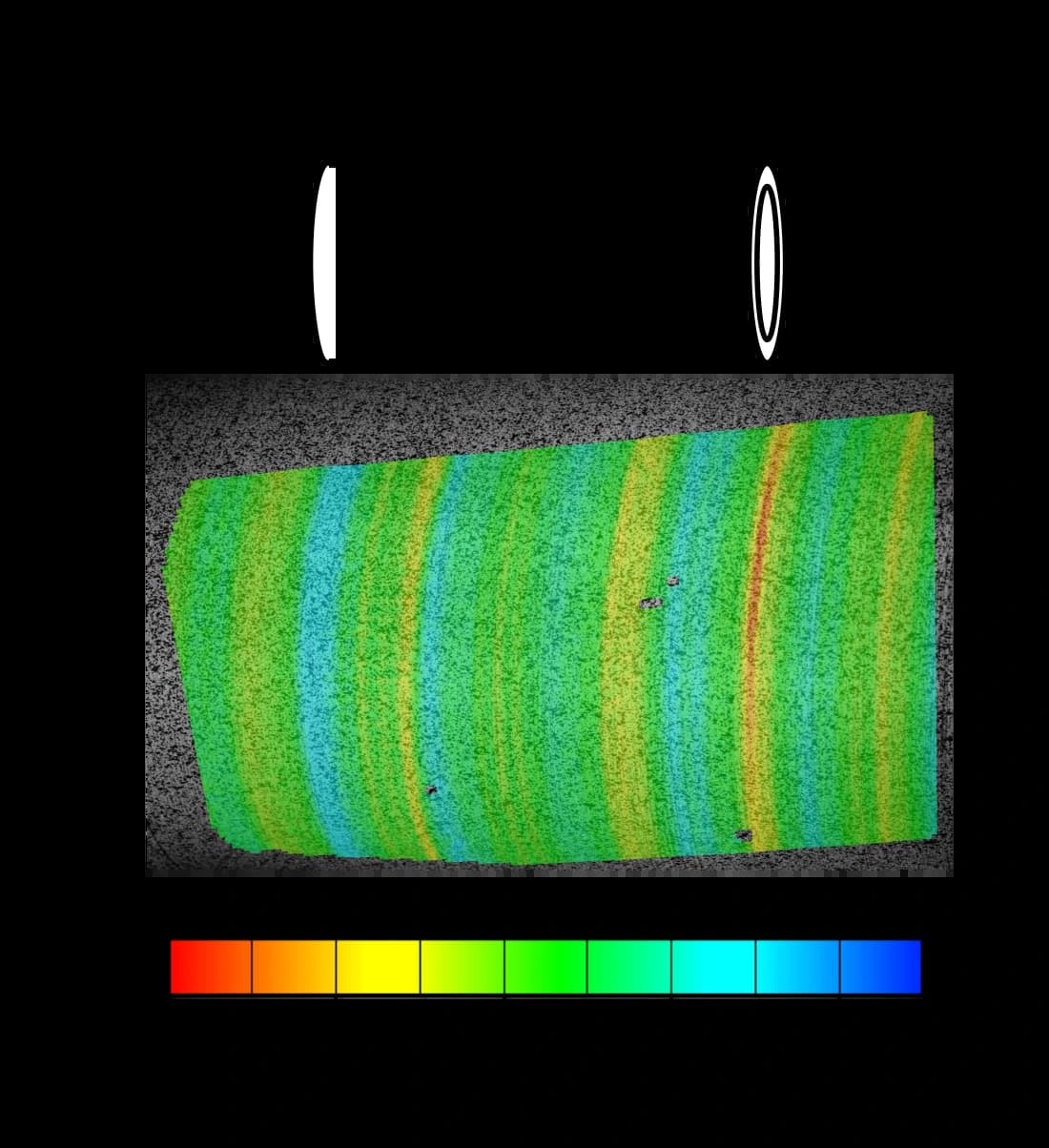
Biaxial test specimen for testing fiber-reinforced compositesMicroscopy of a fiber-reinforced compositeFailure of a fiber-reinforced composite under compressionFailure of a fiber-reinforced composite under shear

Development project

From the technical limit to a finished solution

Development project: link module

Less moving mass. More dynamics.

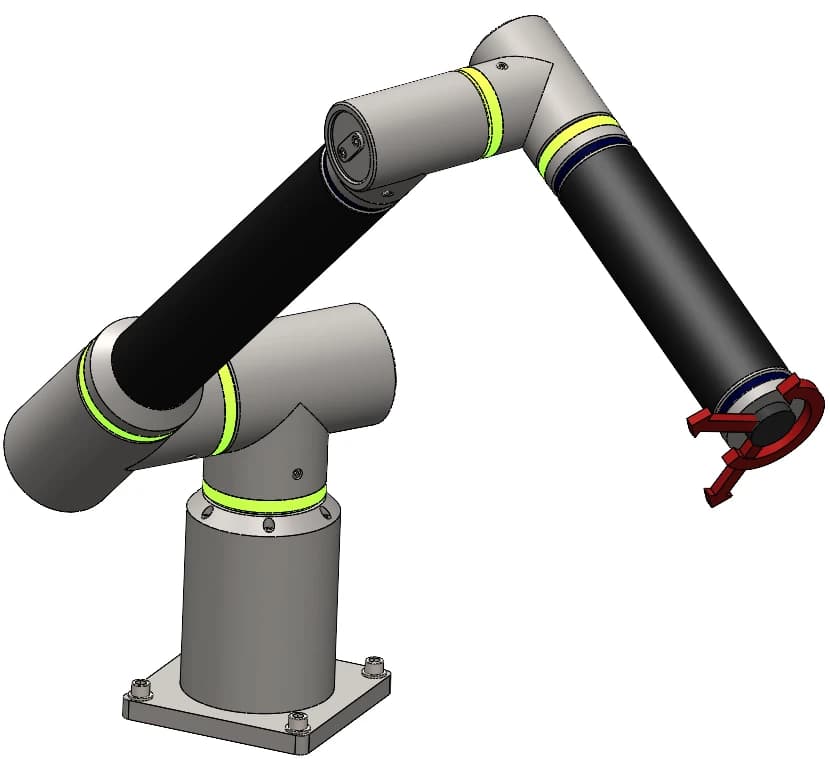
Moving mass often limits dynamics and efficiency in industrial robots. For an aluminum link module we develop a lighter fiber-composite solution — with the same stiffness and precision.

CAD rendering of an industrial robot with link module
01

Component design

Load cases such as payload, acceleration, braking and emergency stop form the basis. We then optimize:

  • Tube geometry and material selection
  • Fiber orientation and laminate stack-up
  • Local load introductions
  • Interfaces to joints and drives

Material, geometry and manufacturing are considered together from the start.

02

Prototype and validation

The prototype is manufactured and tested under realistic loads. Bending and torsion tests validate stiffness and joint areas — results feed directly into further optimization.

Only measurable results count: a lighter link module relieves drives and unlocks potential for speed, payload and energy efficiency.

Measurable results

MaterialDeflection [mm]Twist [°]Weight [g]
Aluminum1,560,66678
Carbon-fiber polymer composite1,550,46527

Nearly identical bending stiffness

−30% twist

−22% weight

Where does your project stand?

Whether a first material idea, an existing component or an already defined series requirement: together we assess which development stage is technically and economically appropriate.

Do you have a specific component?

We develop the matching material, component and manufacturing solution for your mechanical and economic requirements.

Discuss your project

Would you like to trial our material?

Test a custom UD tape in your application – including technical alignment and up to 10 kg of material.

View starter package

USE OF COOKIES